How to Find a Winning Product in Dropshipping in 2026
A real method using PipiAds + Dropship.io to build a stable cashflow (not to chase short‑lived hacks).


Goal (real method, no hacks)
The goal isn’t to chase hacks or short‑lived products — it’s to build a stable, usable, scalable cashflow without messy methods or credibility risk.
Effective product research is a process, not intuition.
The framework: 4 simple steps (but poorly executed by 90% of people)
- Define the right selection criteria
- Scan the market with PipiAds
- Validate and refine with Dropship.io
- Build an actionable short‑list (products + stores)
Step 1 — Criteria that prevent fake winners
Prefer a niche store over a general store. A niche store lets you test, pivot, and scale without rebuilding from zero.
- Apparel (cargo, gothic, old money, shapewear)
- Jewelry
- Toys / creative hobbies
- Passion niches (pottery, home decor, hobbies)
- Shapewear & body‑positive products
- Steady demand
- Easier to brand into a real store
- Multiple products = less dependence on one best seller
A one‑product store can still work (under conditions). It works only if:
- Your content is high quality
- Your branding looks clean
- The product solves a clear problem
- Full focus on one offer
- Lower operational load
- Faster to launch
Step 2 — Scan the market quickly with PipiAds
With PipiAds, you want Pareto results: 20% effort, 80% output.
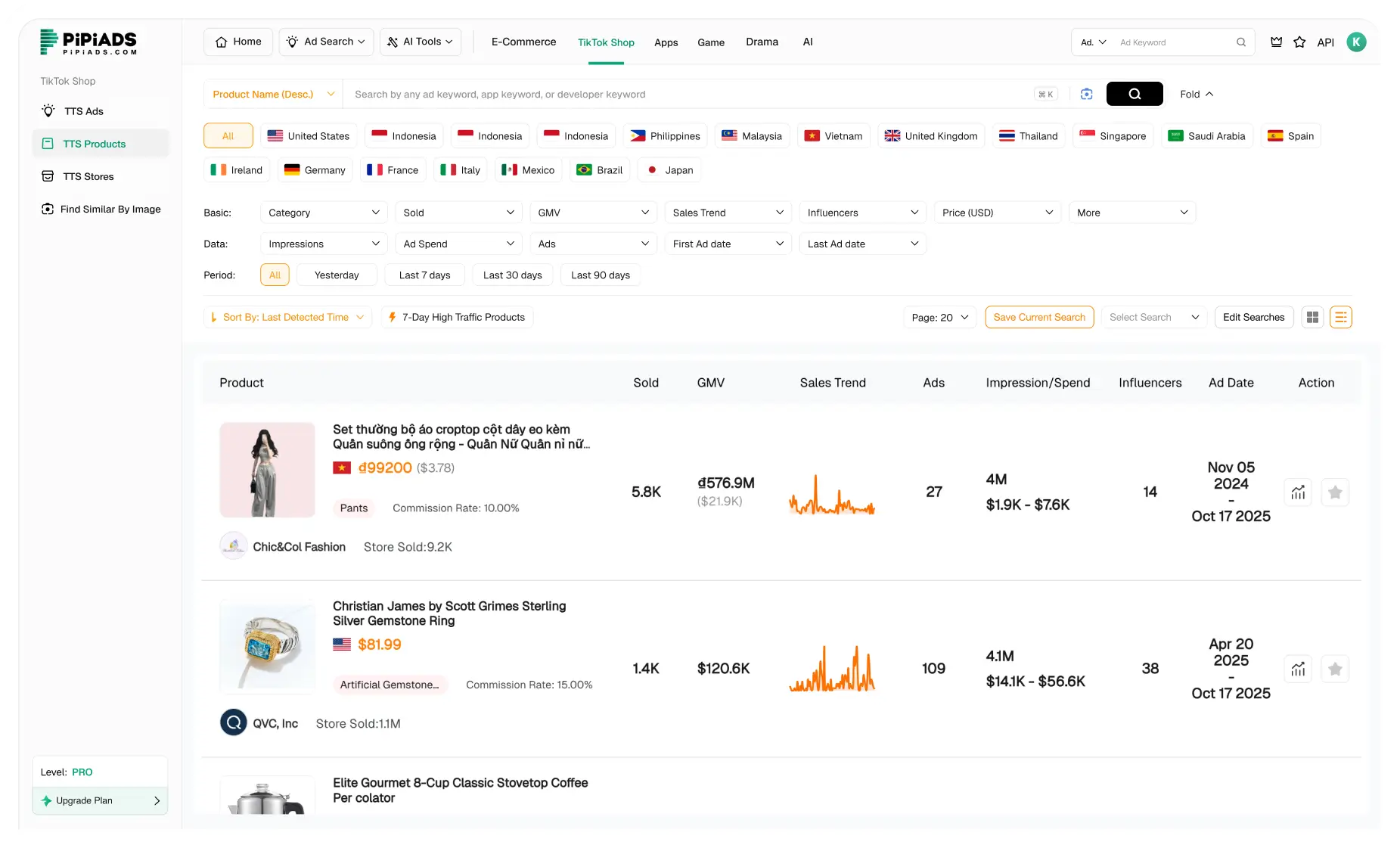
- Advertisers → Top Products
- Display: 500 products per page
- Ranking: weekly
Goal: see what’s being pushed at scale on TikTok, then decide if you can do it better (content, angle, branding).
- Content quality (not the store)
- Marketing angle
- Adaptation potential (country / positioning)
- Real saturation (not just “it’s running”)
- Afro niche wigs → strong potential in EU markets
- Pottery kits → evergreen demand + TikTok‑friendly
- Cargo pants → strong trend, but creatives need a refresh
- Gothic / aesthetic niches → lower competition, strong identity
Key rule: a product can still be a winner if you can execute better than the source.
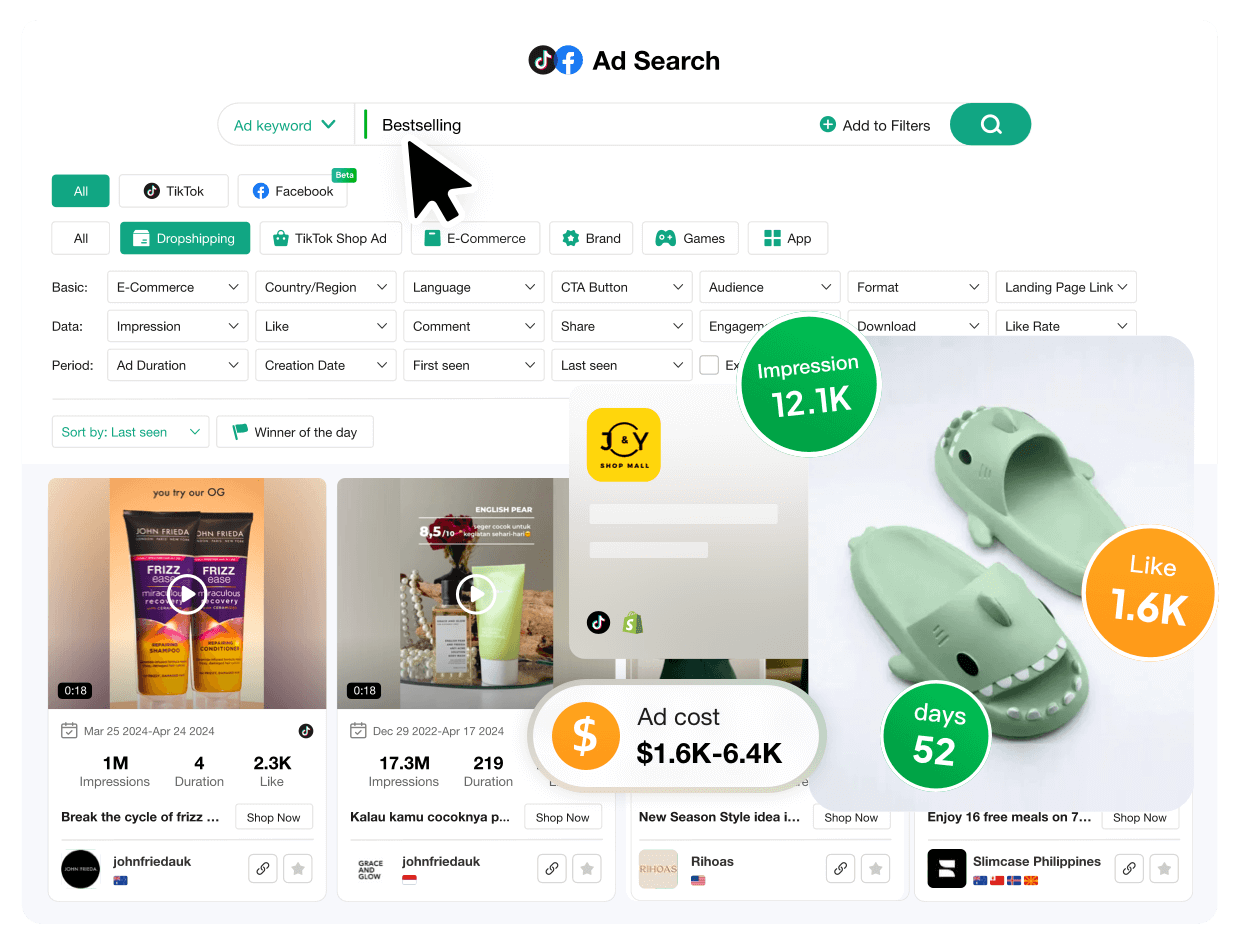
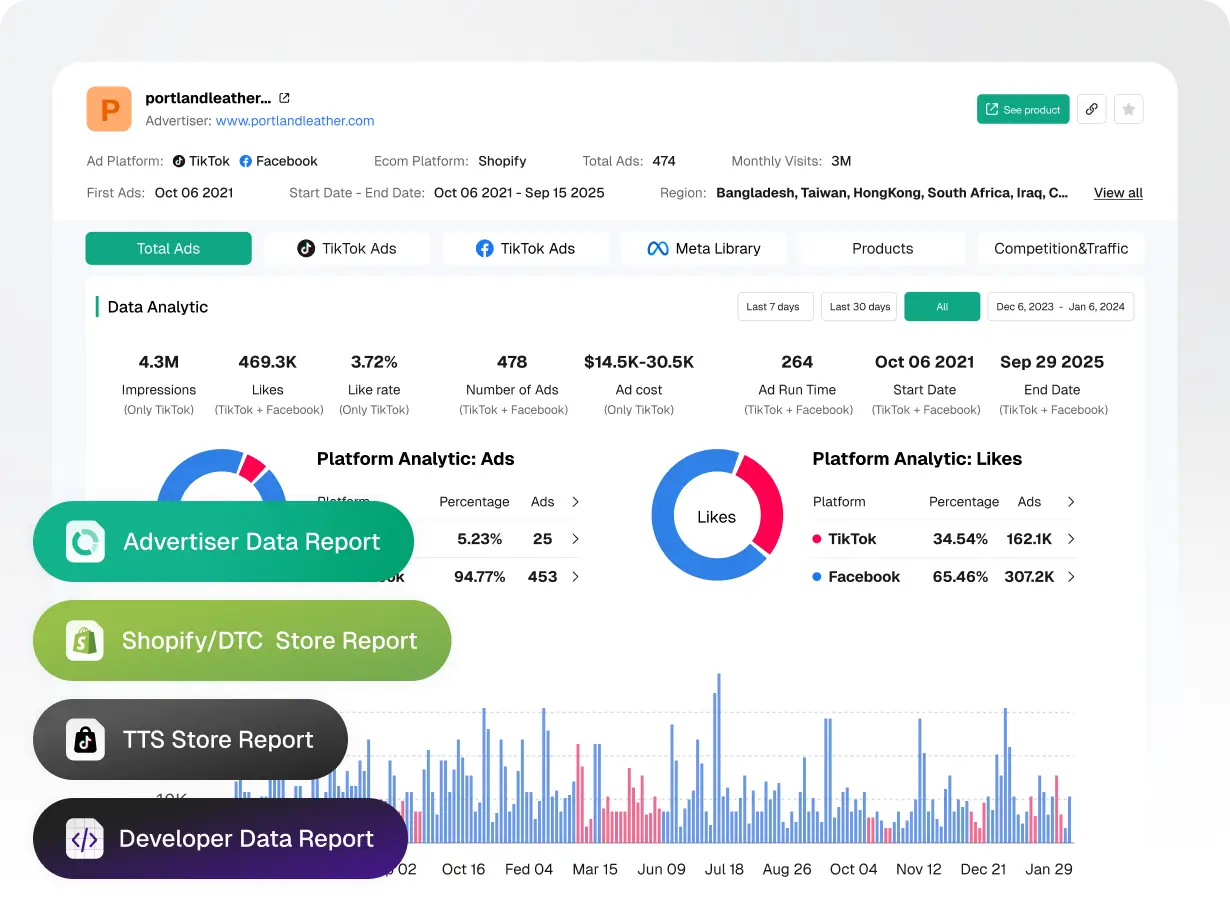
Market scan in action
Example of a quick scan (filters + signals) to understand what’s being pushed and why.
Step 3 — Advanced validation with Dropship.io
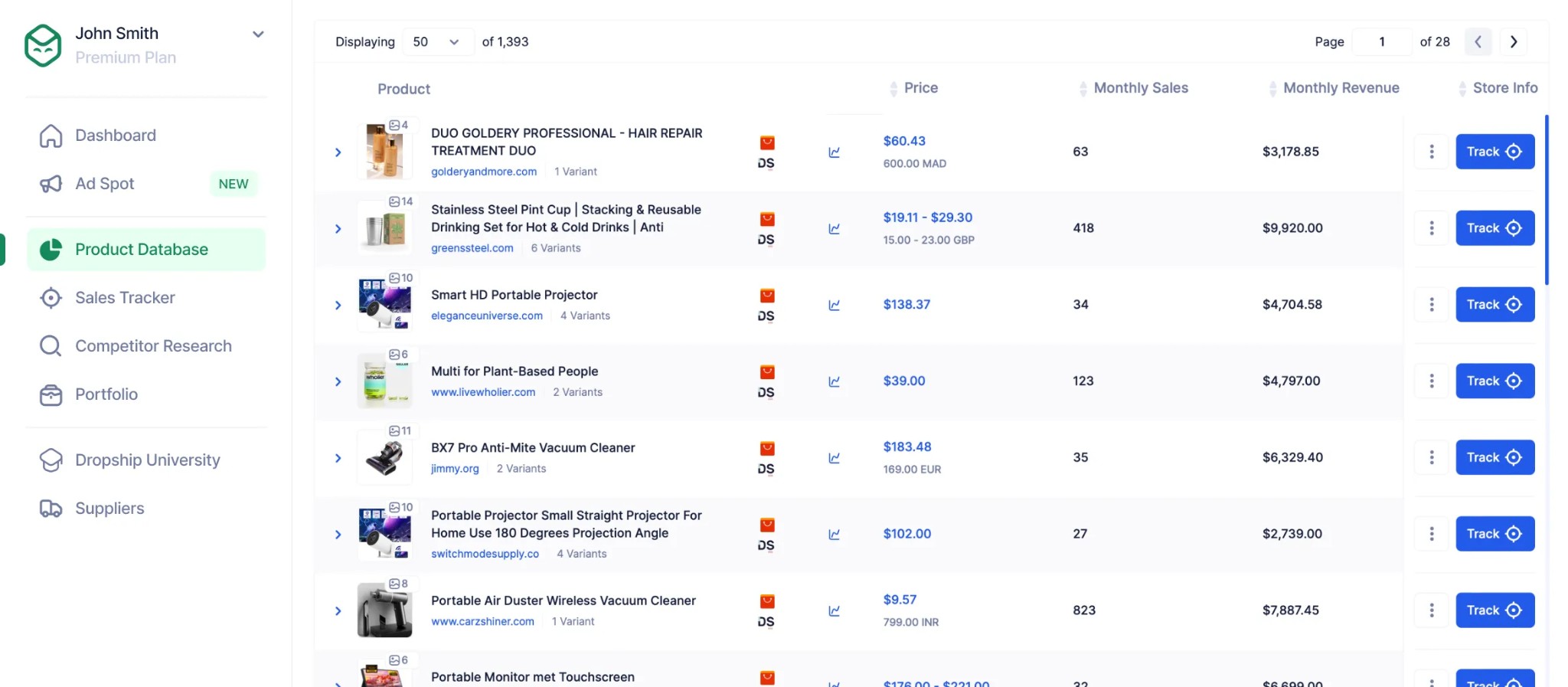
Here, you confirm what PipiAds doesn’t always show: sales dynamics, store timing, catalog coherence, and store‑proven adoption. Use Dropship.io to reduce false positives.
- Monthly revenue: $21,000 → $70,000
- Store age / creation date: ≤ 12 months
Goal: newer products that aren’t fully exhausted.
- Revenue: $58,000 → $300,000
- Number of products: 1 to 20
This is where you’ll find the most “copyable” opportunities: product + offer + angle + catalog strategy.
- Shapewear — proven market, multiple potential best sellers, content can be improved quickly, huge scalability.
- Kids / family kits — emotional purchase, very reactive buyers, Meta + TikTok can work well together.
- Problem → solution products — compression socks, lower back support, sleep / recovery.
- Supplier compliance
- Legality in your target country
- Realistic marketing claims
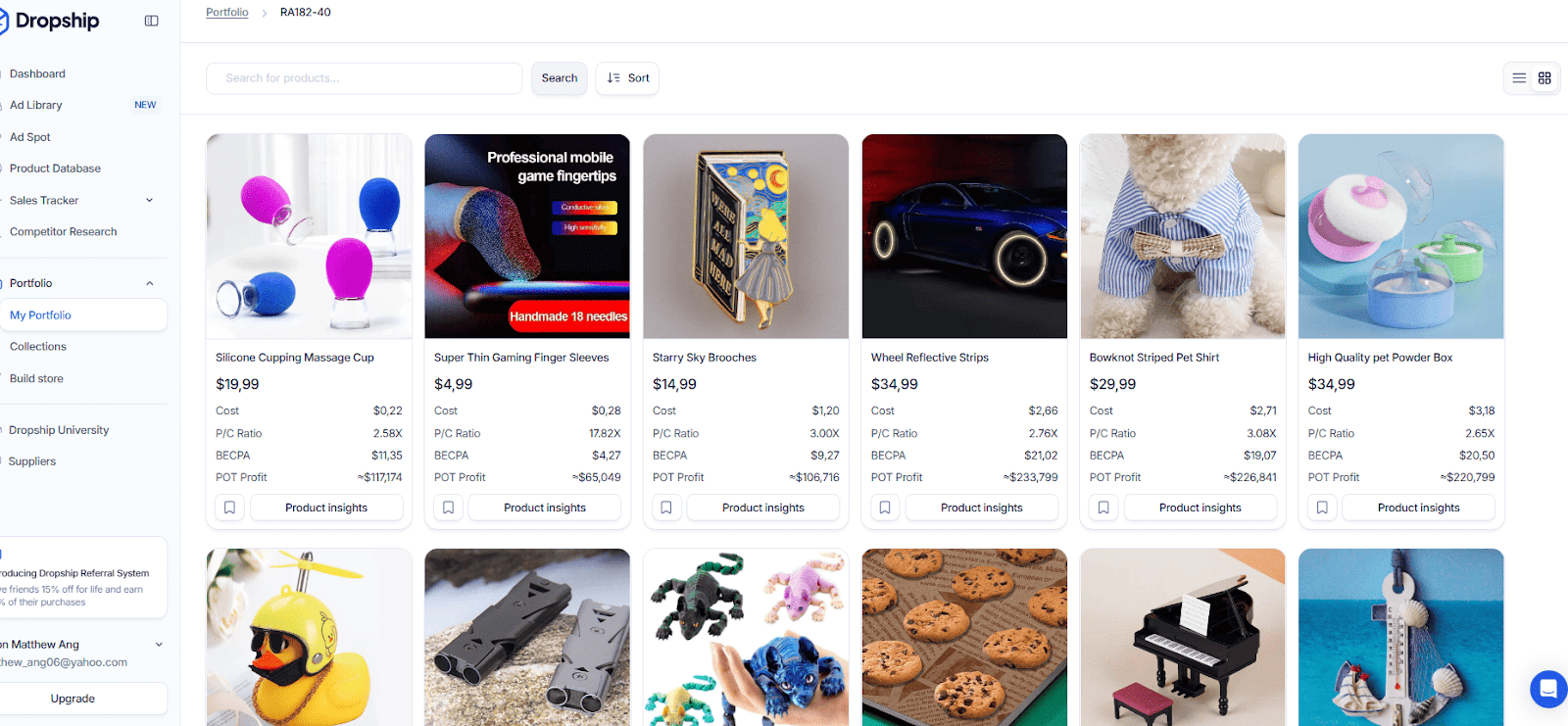
Store validation in action
Example: you find store‑proven products, then validate revenue signals, timing, catalog size, and consistency.
Common mistakes (and direct impact)
- Copying low‑quality dropshipping stores → cheap brand perception, low conversion rate
- Launching overly saturated products → high CPC, creative fatigue
- Testing without a clear niche → hard to scale cleanly
- Ignoring content quality → ads die before you even learn
Actionable checklist — effective product research
- ✅ Clear niche (not a general store)
- ✅ Product already validated somewhere
- ✅ Creatives can be improved
- ✅ Price ≤ $70
- ✅ Sourcing can be optimized (AliExpress → 1688)
- ✅ Multi‑product potential or brandable angle
7‑day action plan
FAQ
Should you avoid products that have already been sold?
No. Avoid poorly executed products, not products that sell. If you can execute better (creative, offer, branding), the product can still work.
One‑product store or niche store?
One‑product stores are faster. Niche stores are more durable. Both work if execution is clean with strong content and clear positioning.
What minimum revenue should you look at?
As a rough signal, > $3k/day can indicate strength—but content quality matters more than the number. Better creatives can beat a bigger product with weak execution.
Can you launch a US product in another country?
Yes—if the local market is underserved or poorly branded. Adapt angle, copy, proof, and pricing to the local context.
Are TikTok Ads mandatory?
No, but it’s often the fastest testing lever. The right mix depends on the niche (Meta, Google, UGC, email).
Conclusion
This method works because it’s based on real market observation—not theory.
If you want a structured way to find products, avoid common mistakes, and scale cleanly, this is a solid foundation.
To go further and structure testing, sourcing, and branding without shortcuts, the full method is available on Ecom Efficiency — clean, durable scaling.